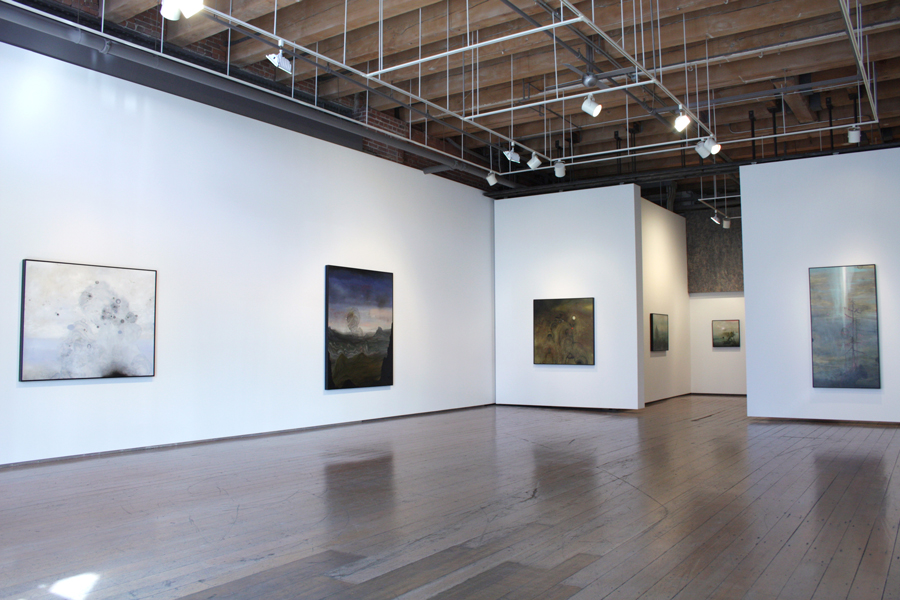
July 7 - August 20, 2022
Last Time I Saw You
Opening reception: Thursday, July 7, 6-8pm
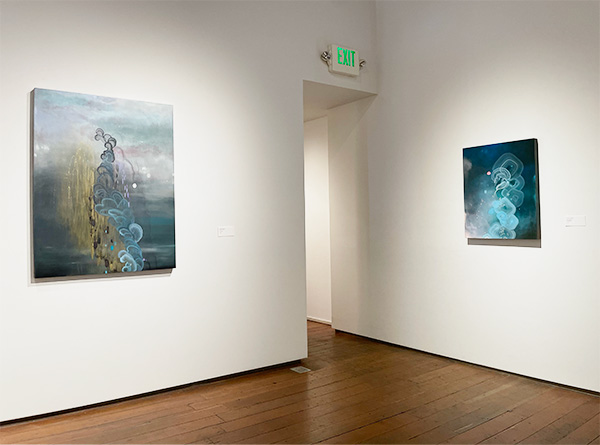 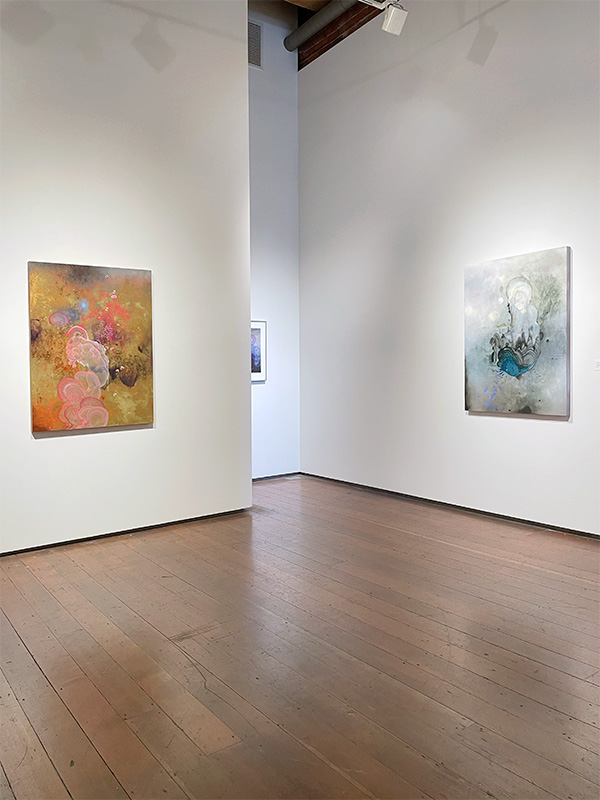
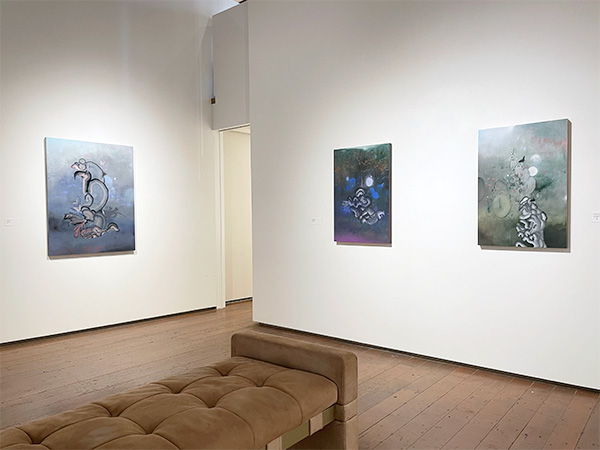 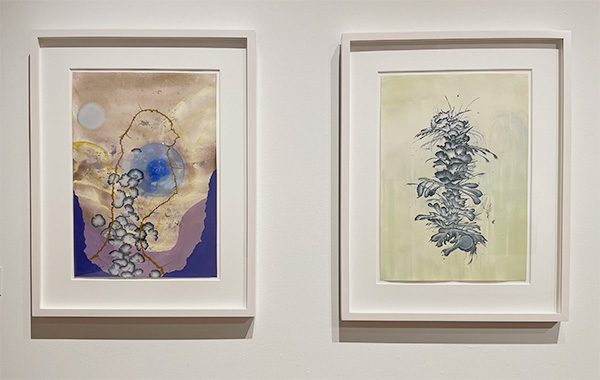
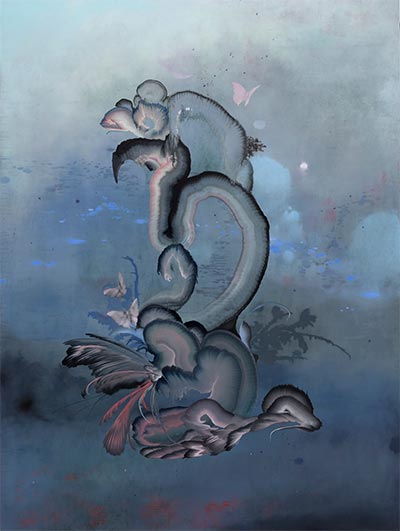
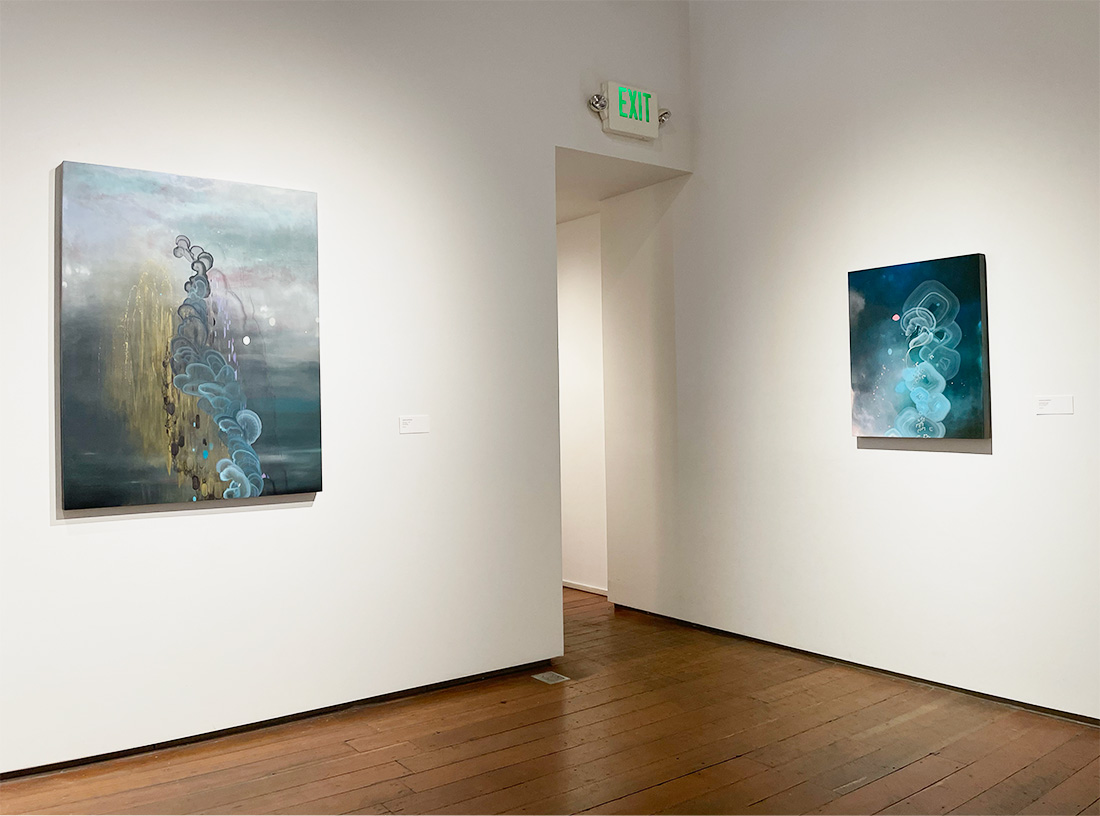
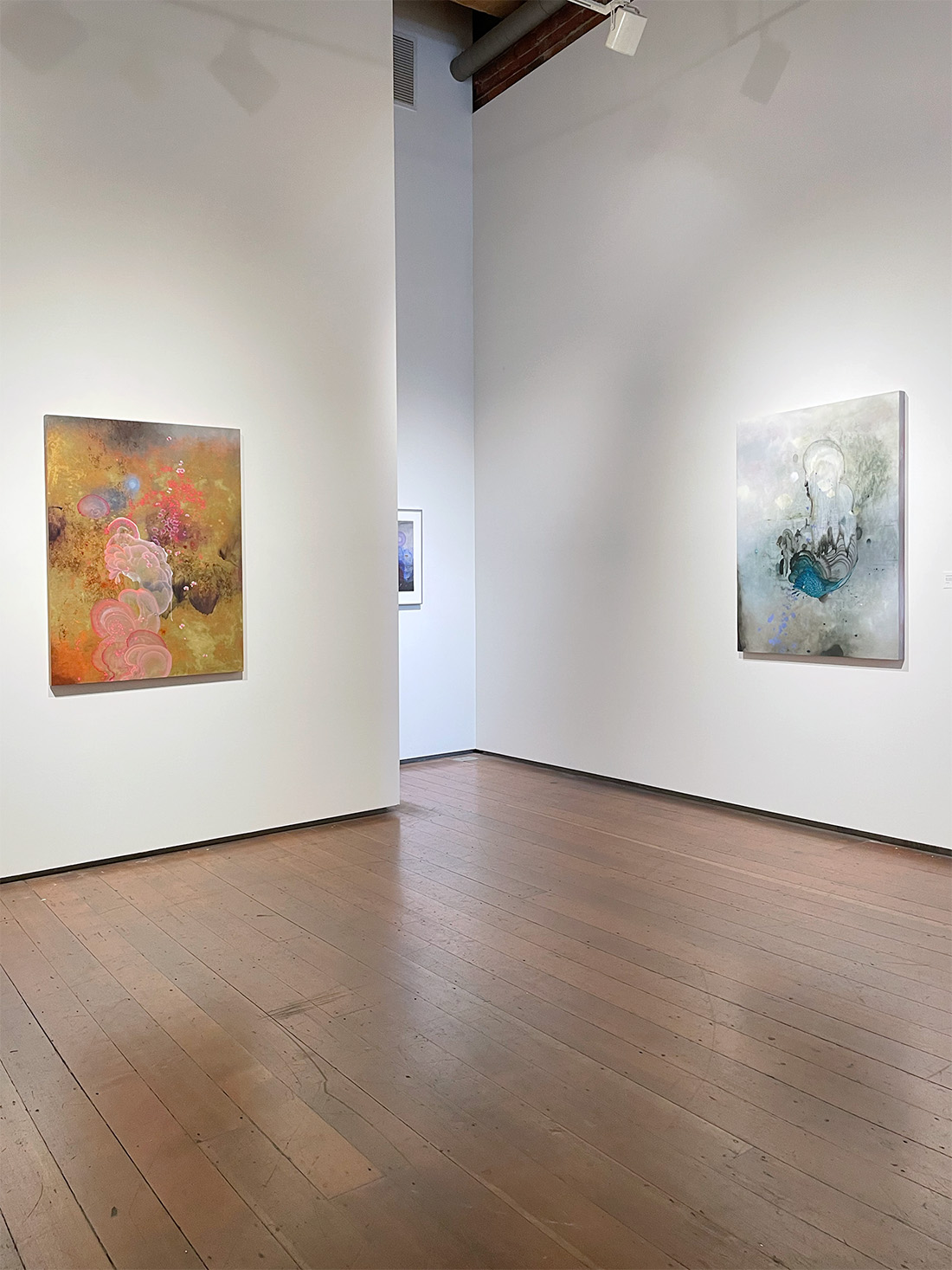
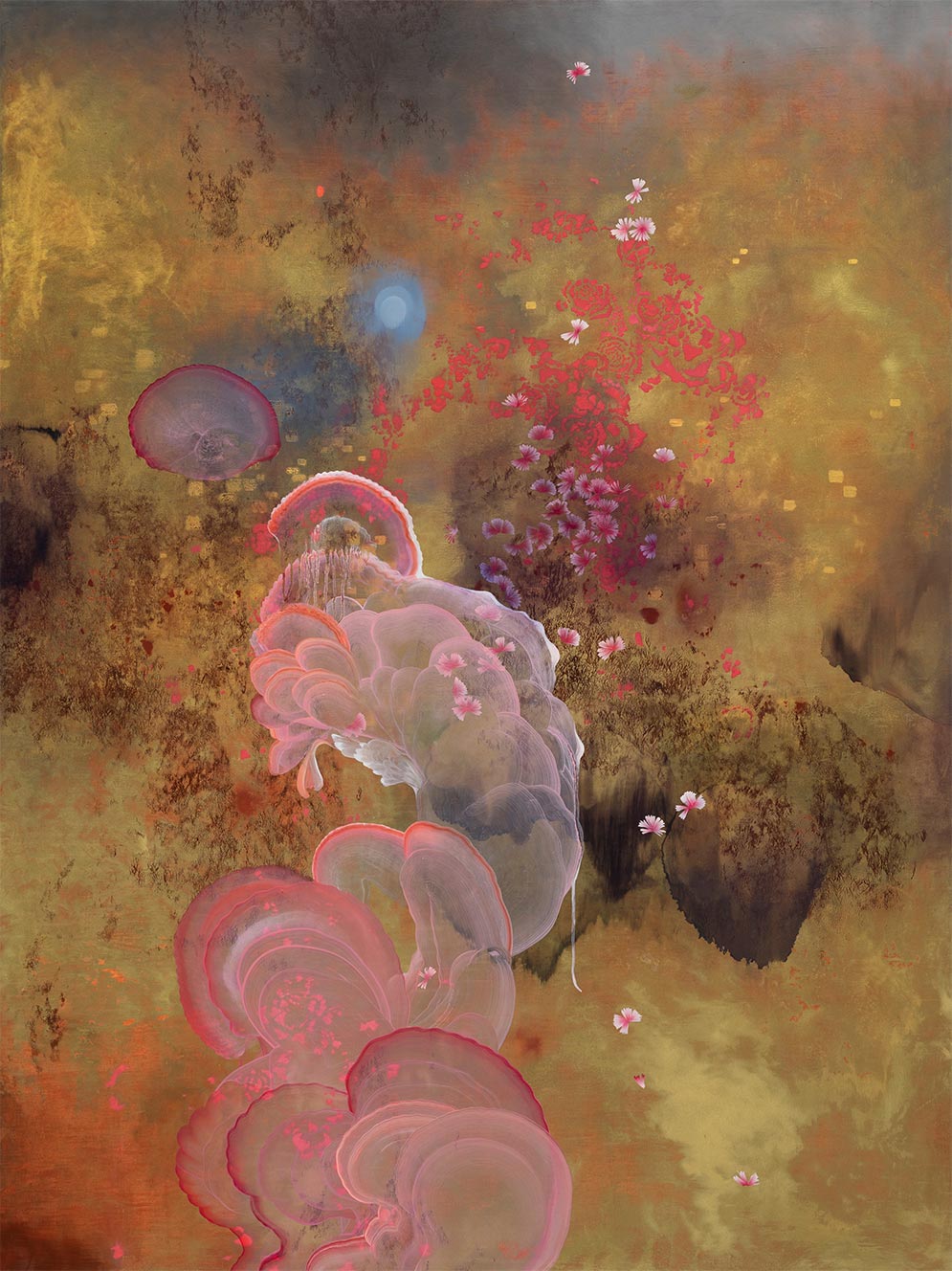
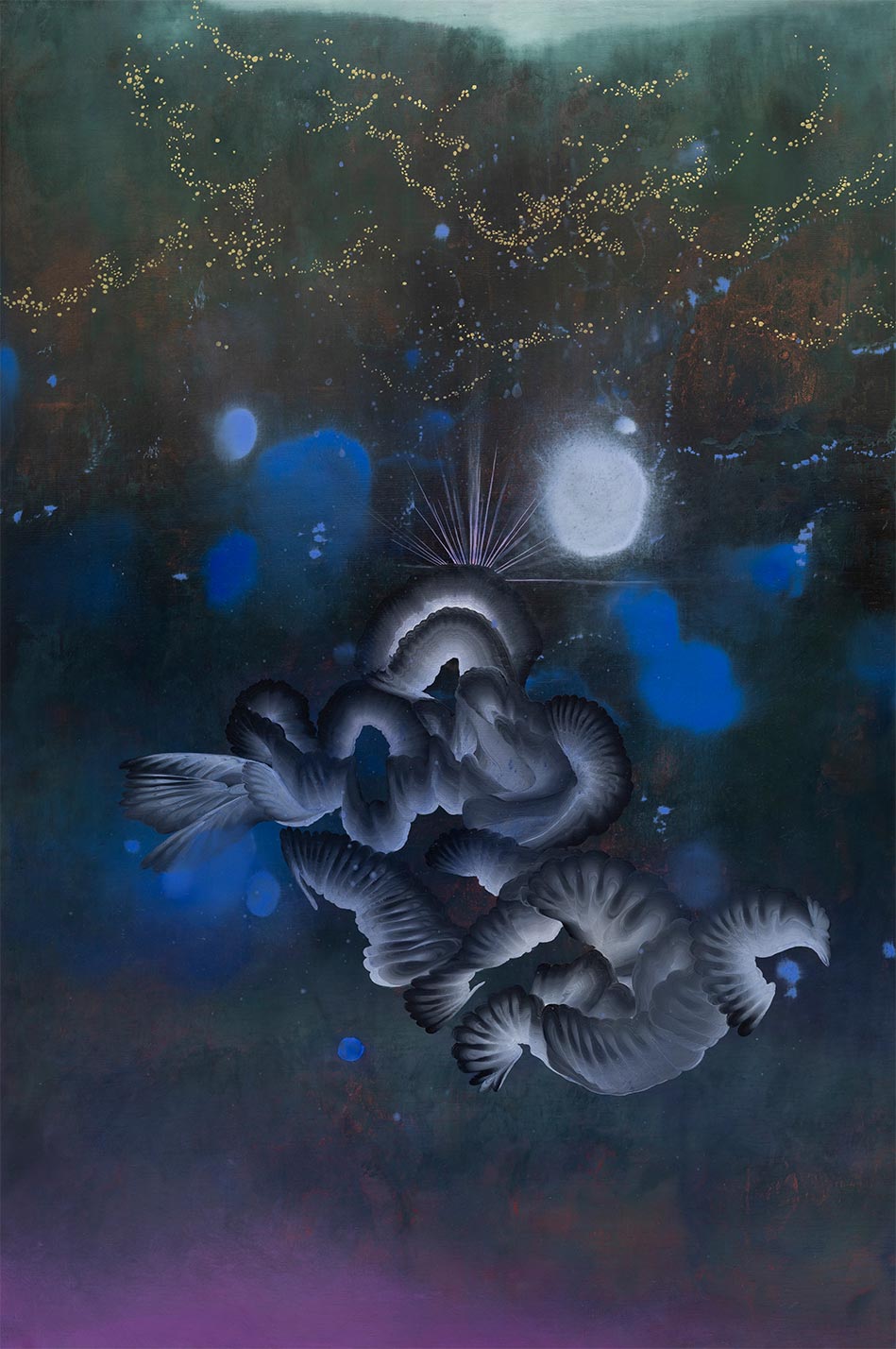
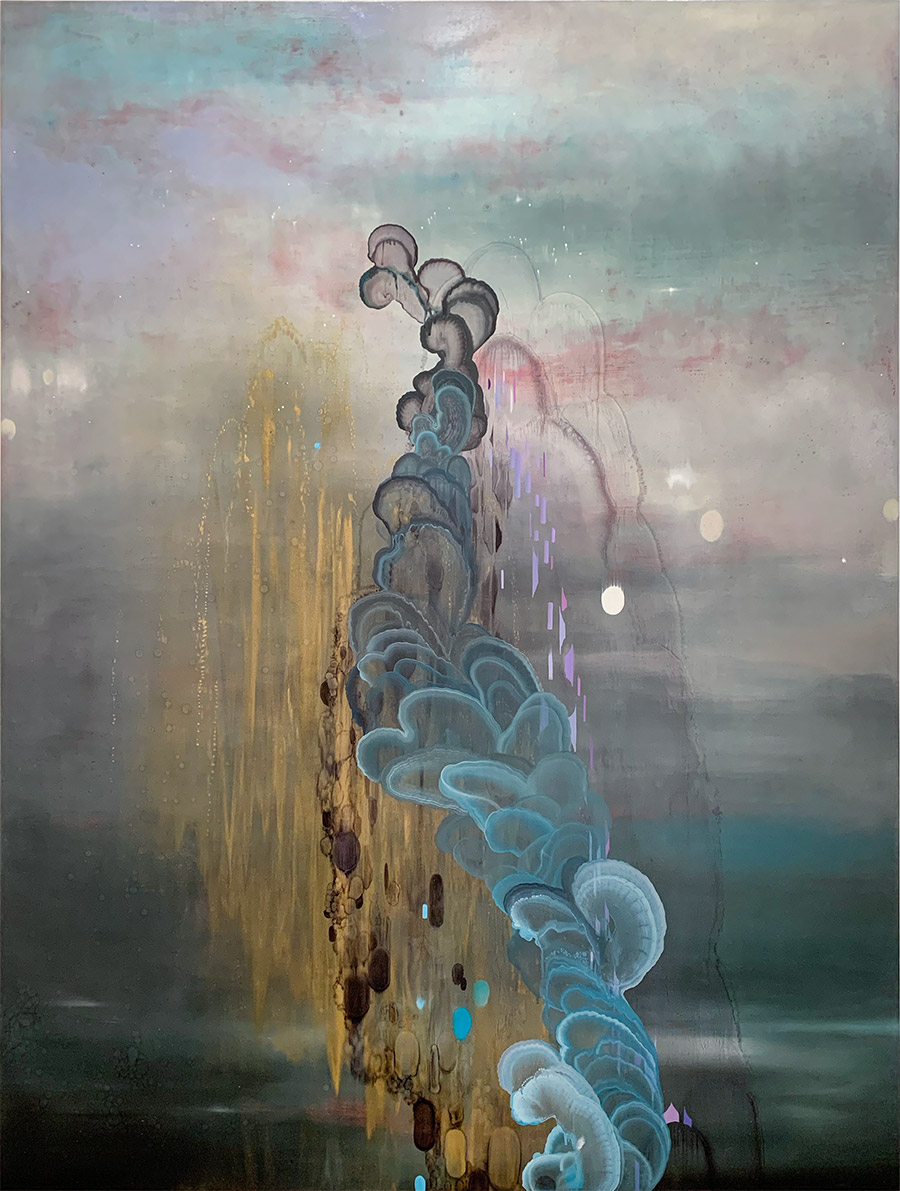
PLUMAGE, 2022
Oil on wood panel
48 x 36 inches
$25,000
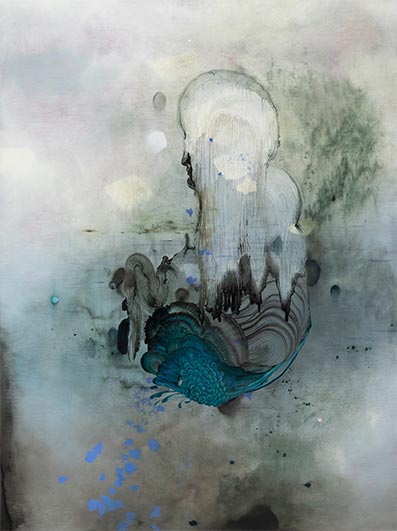
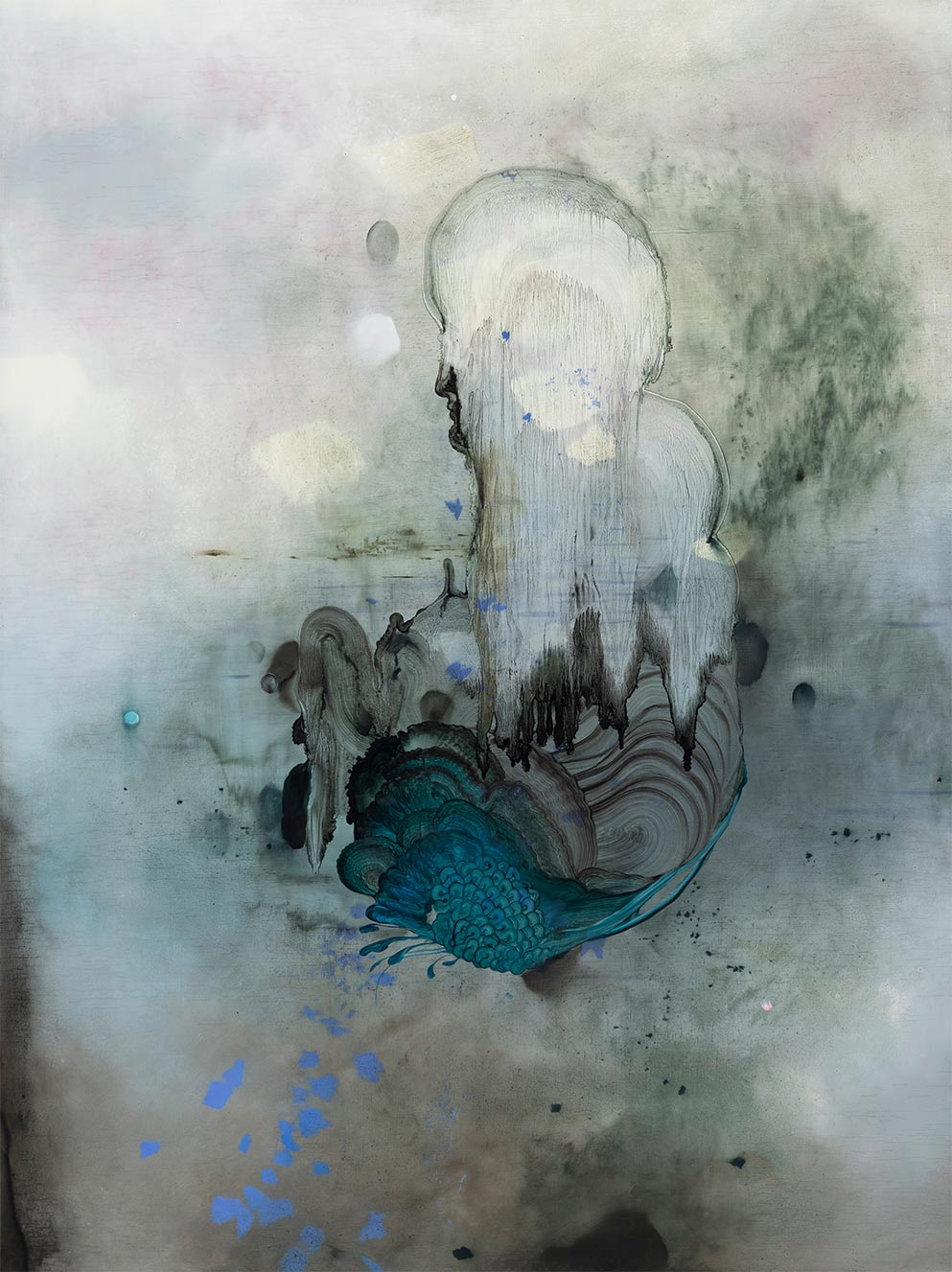
SELF PORTRAIT, 2022
Oil on wood panel
48 x 36 inches
$25,000
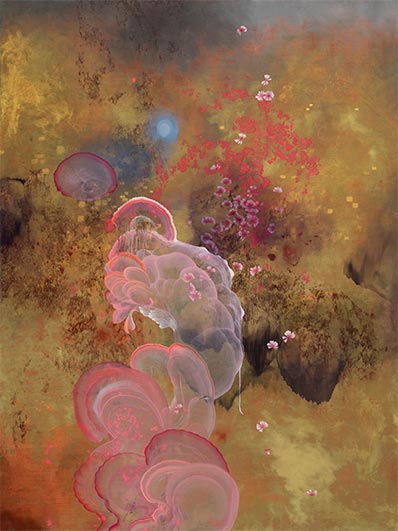
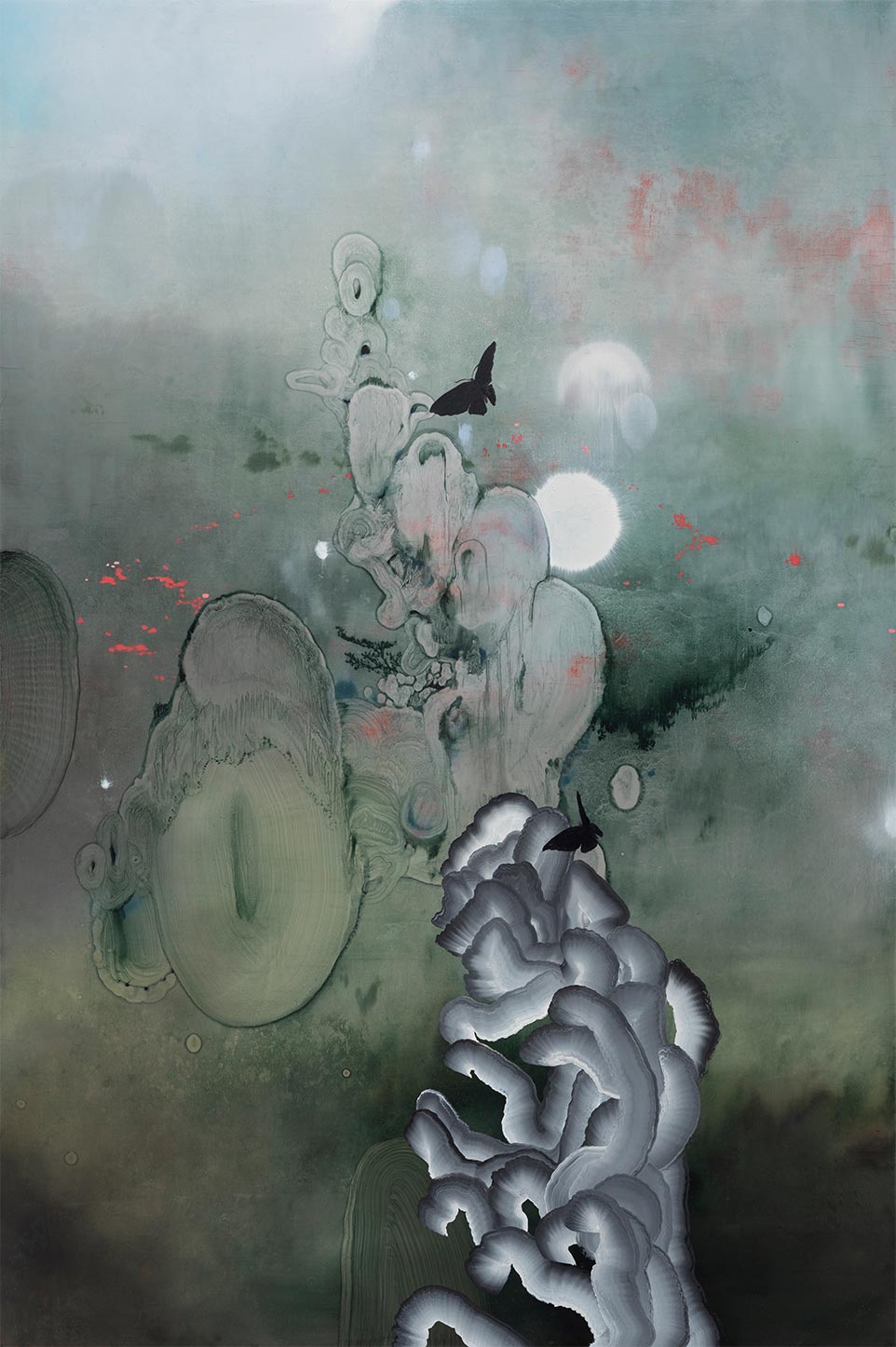
THIS IS HOW I REMEMBER YOU, 2022
Oil on wood panel
48 x 36 inches
SOLD
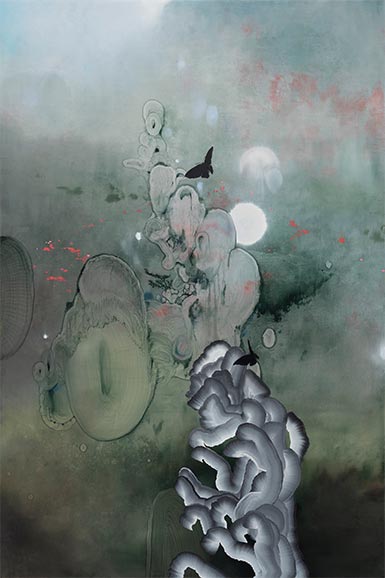
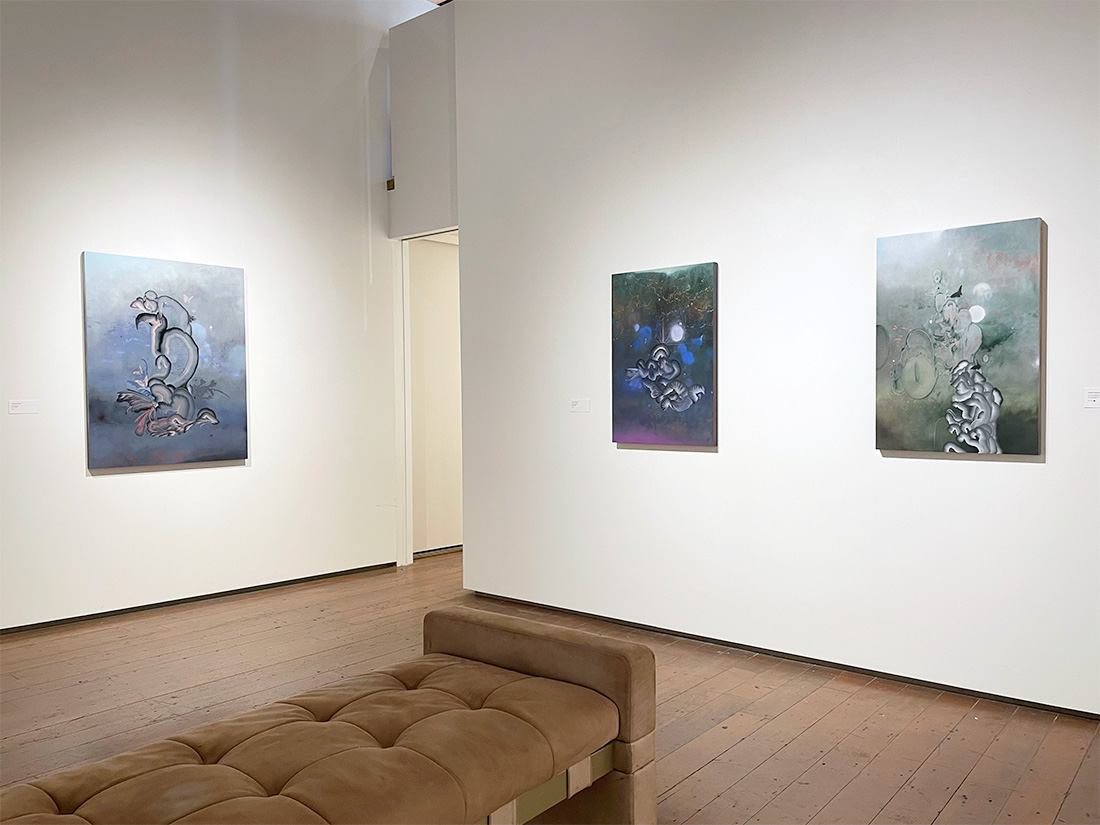
AT THE MARGIN OF THE LAKE, 2022
Oil on wood panel
36 x 24 inches
SOLD
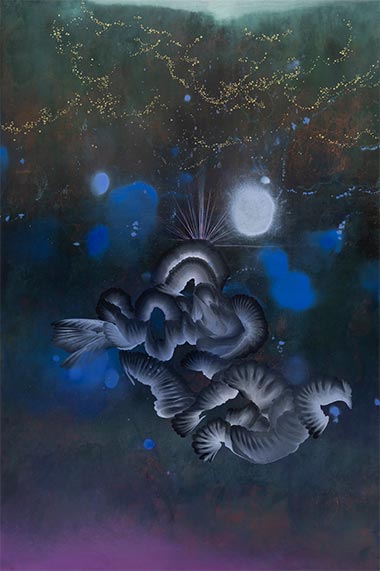
DOVE'S FLIGHT, 2022
Oil on wood panel
36 x 24 inches
$18,000
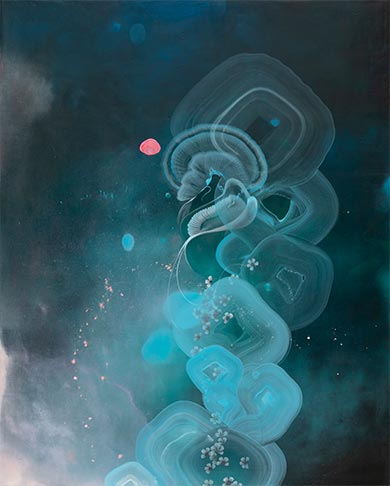
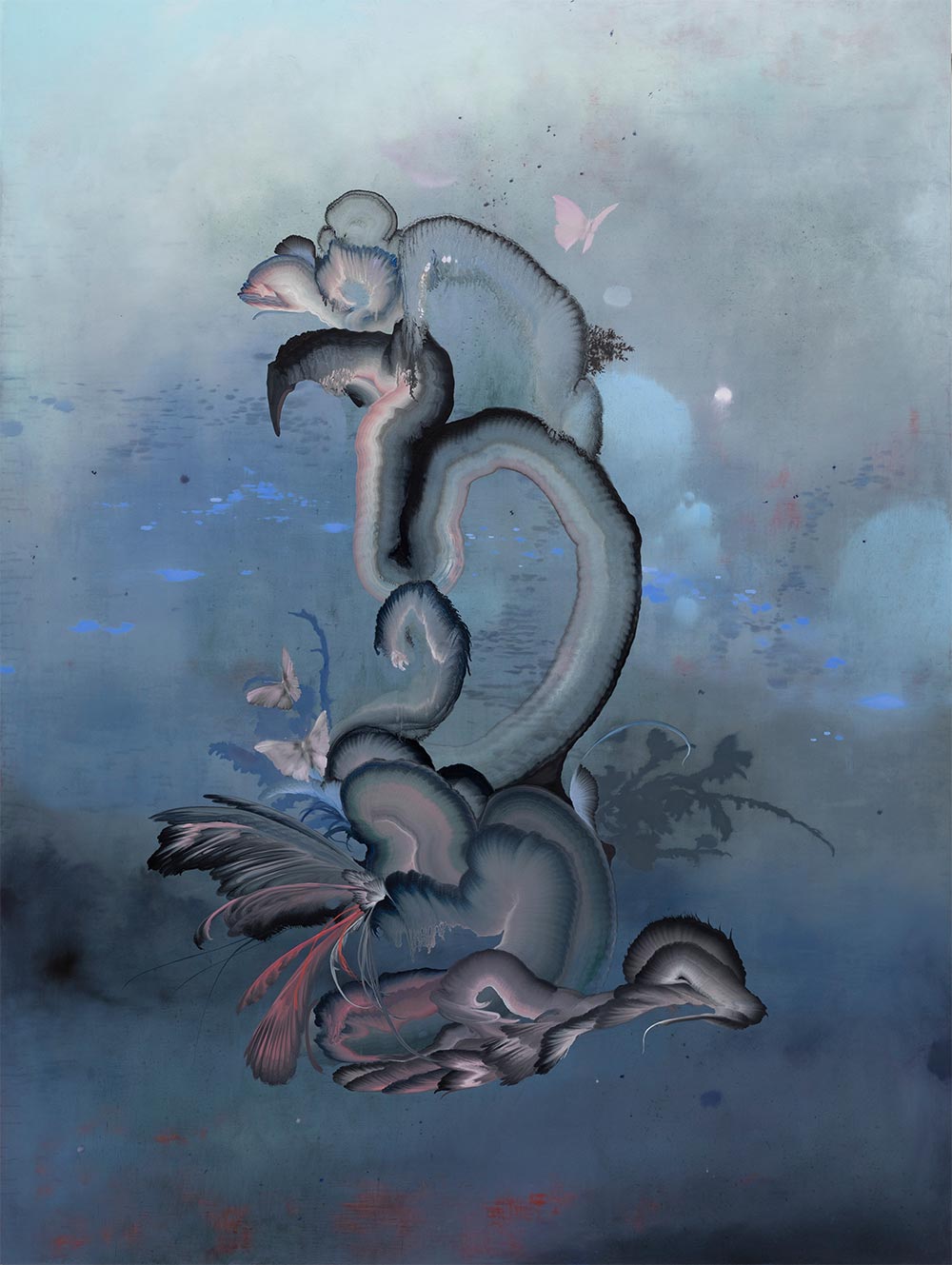
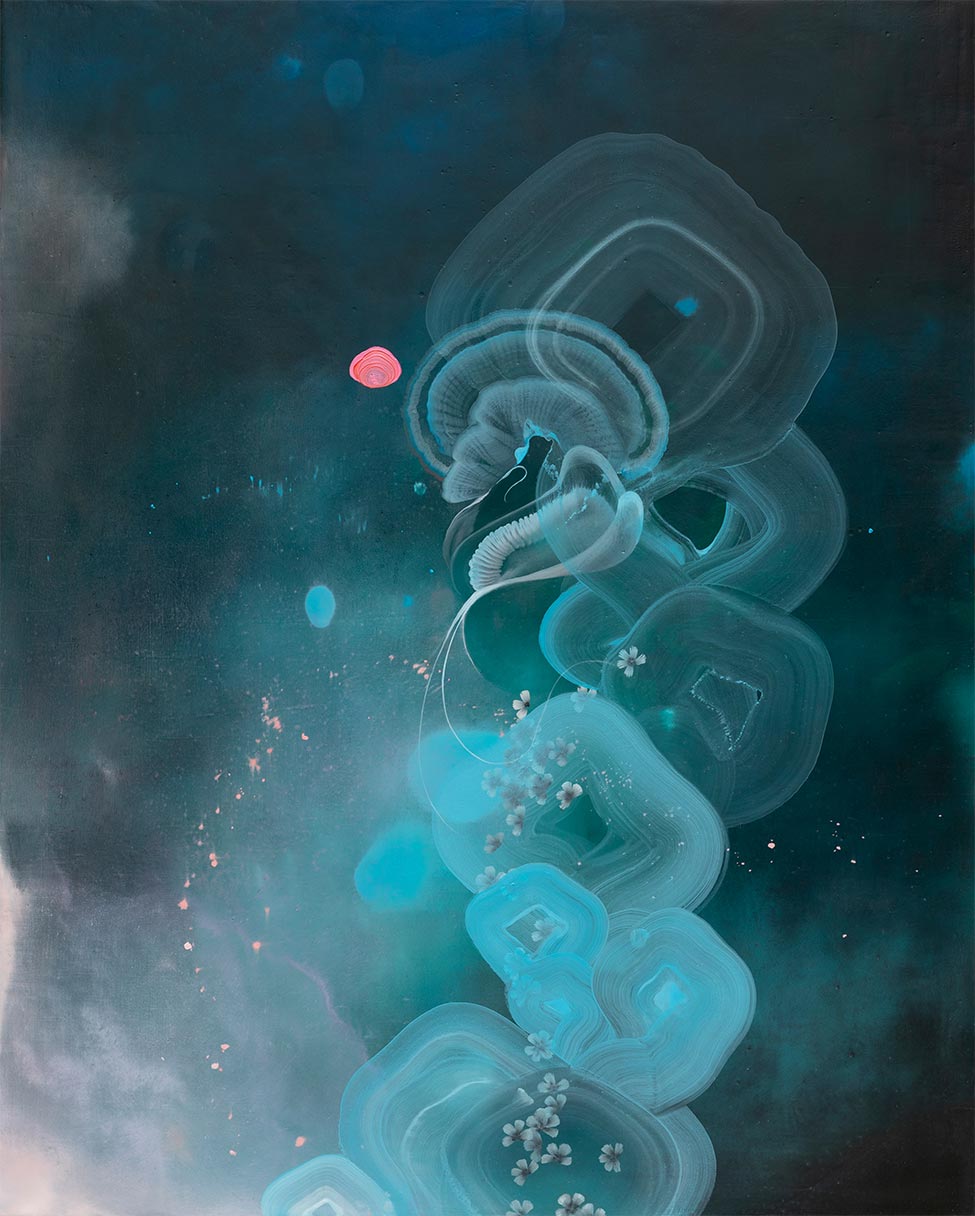
PERIMETER, 2022
Oil on wood panel
30 x 24 inches
$16,000
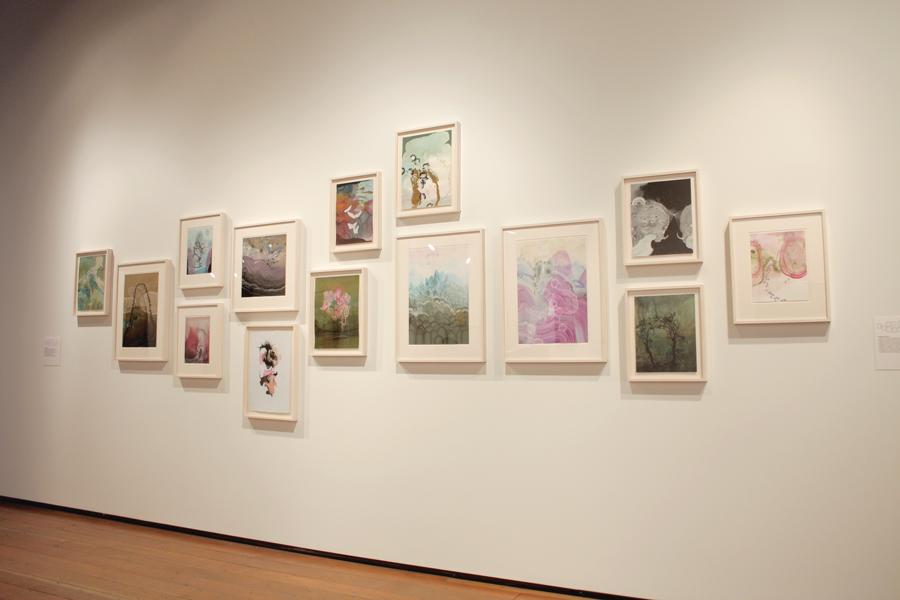
Works on Paper available
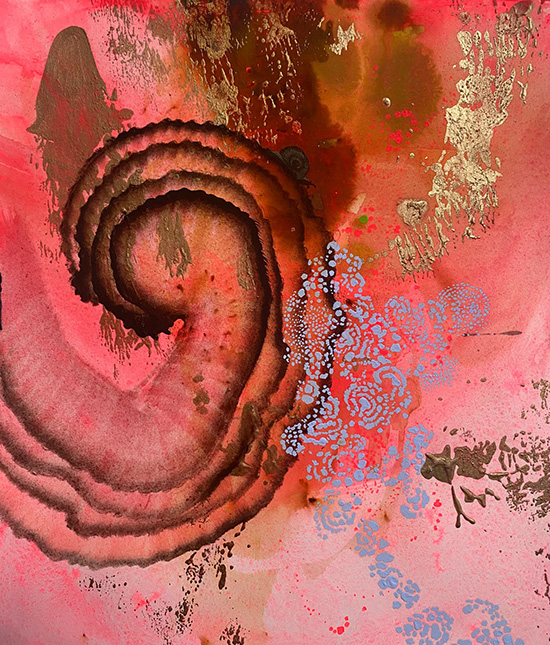
BARDO STUDY, 2022
Gouache on rag paper
10.5 x 9 inches
$4,300
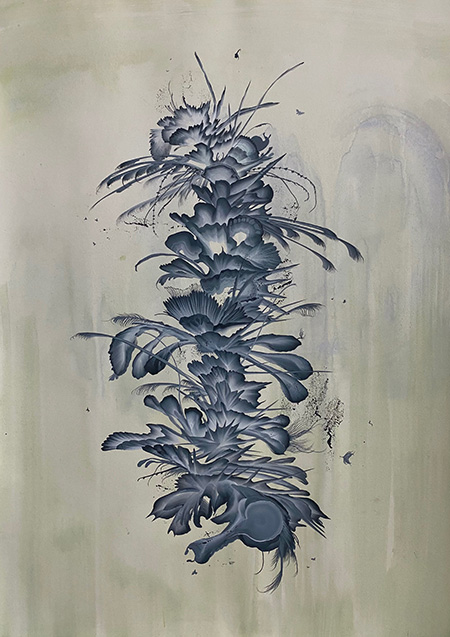
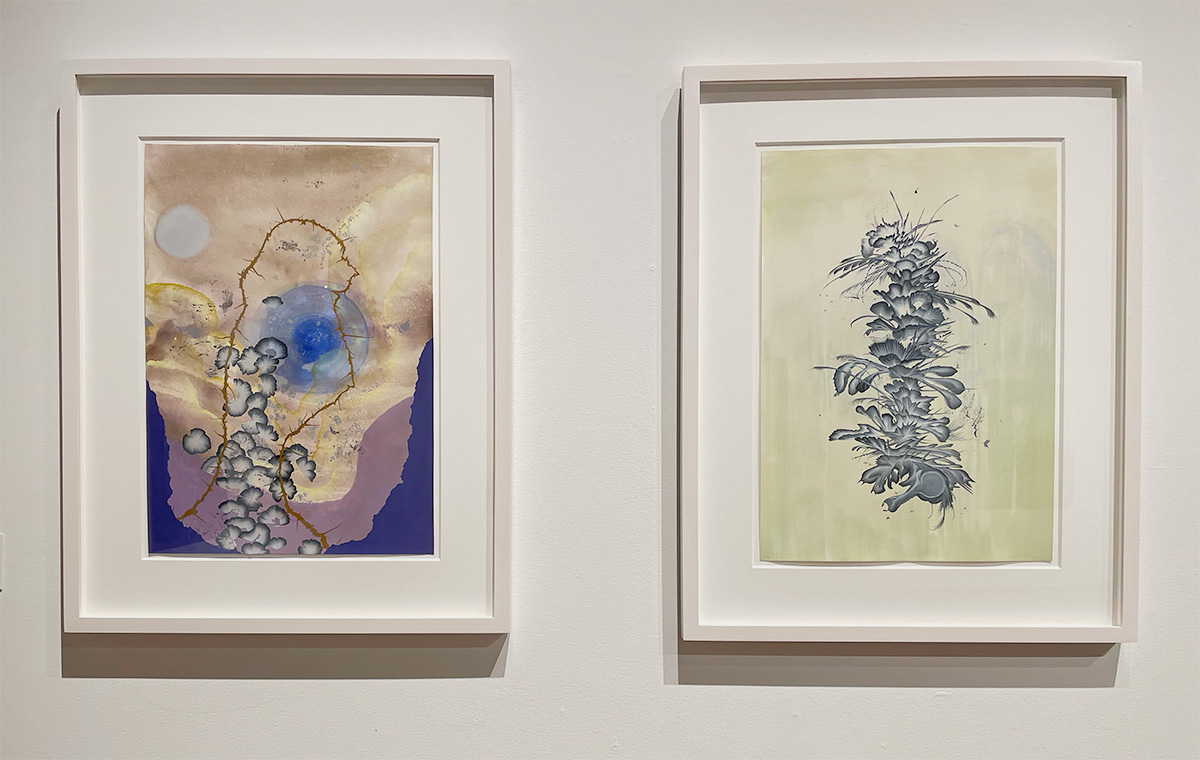
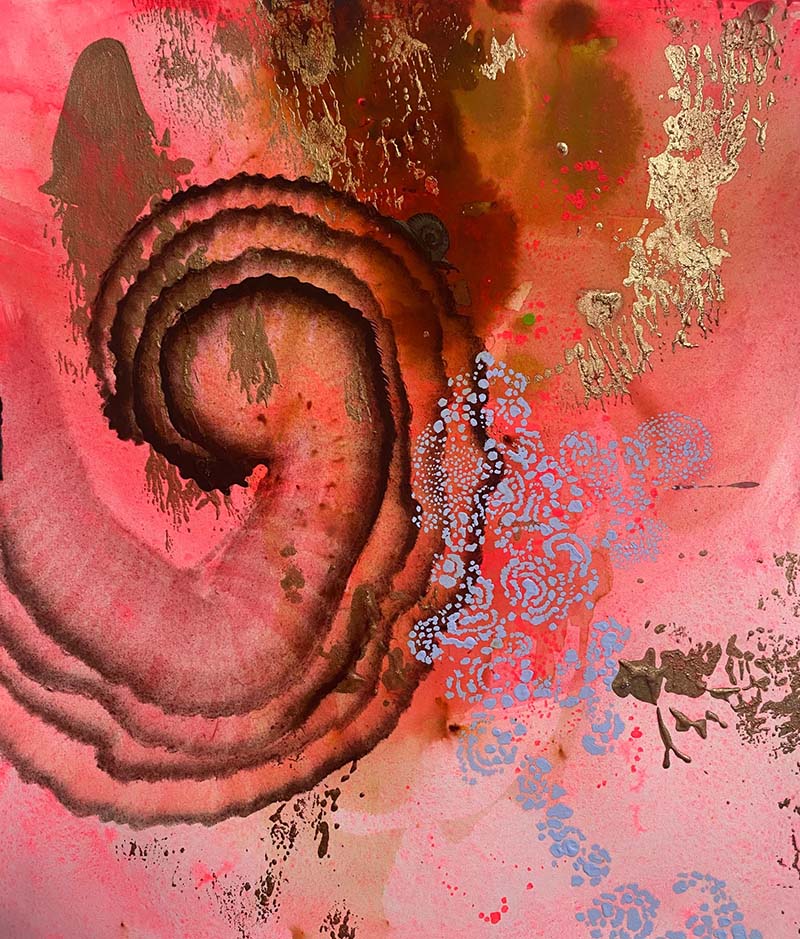
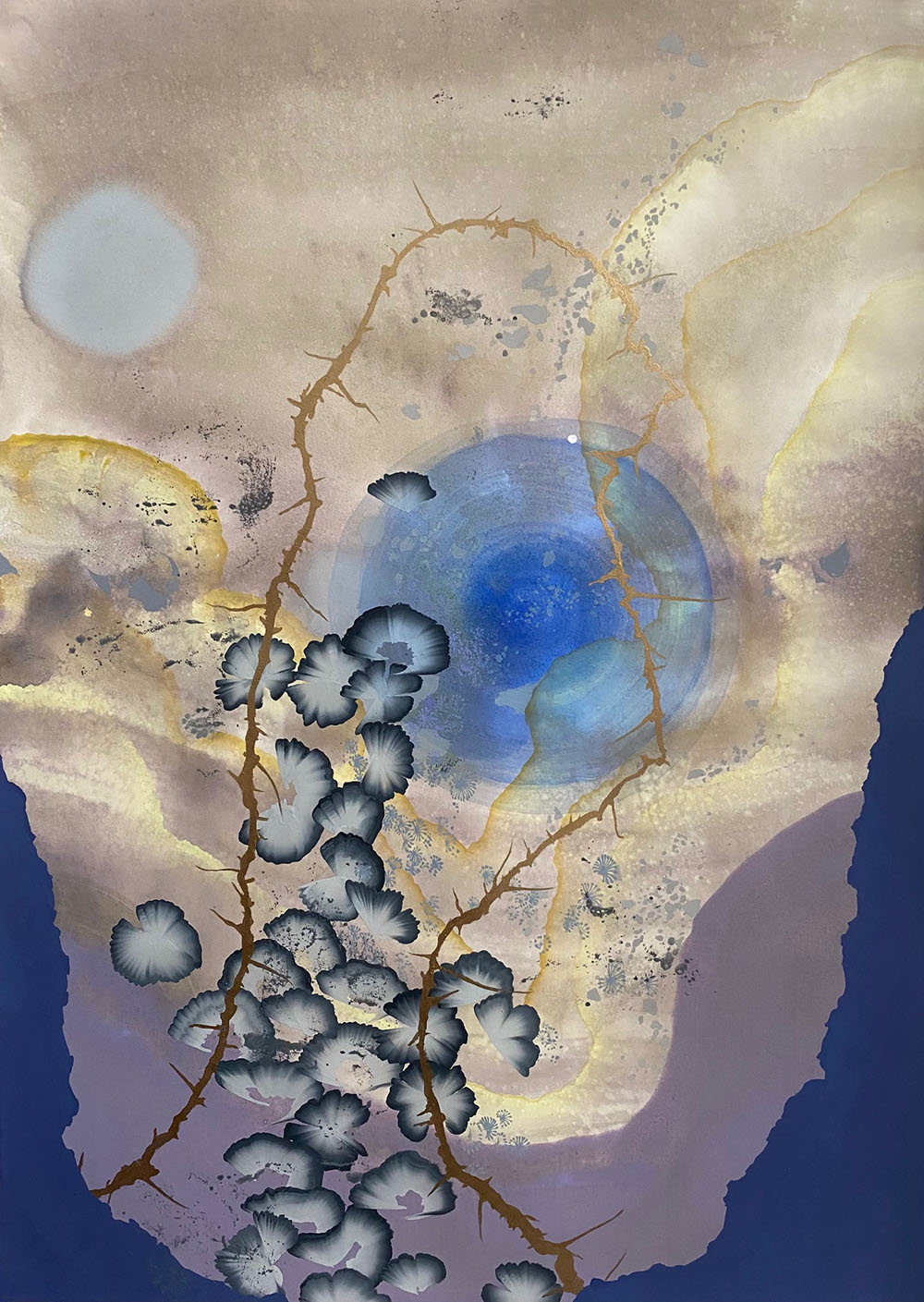
PANDEMIC SPRING NO. 1, 2022
Watercolor and gouache on rag paper
19.75 x 14 inches
$6,500
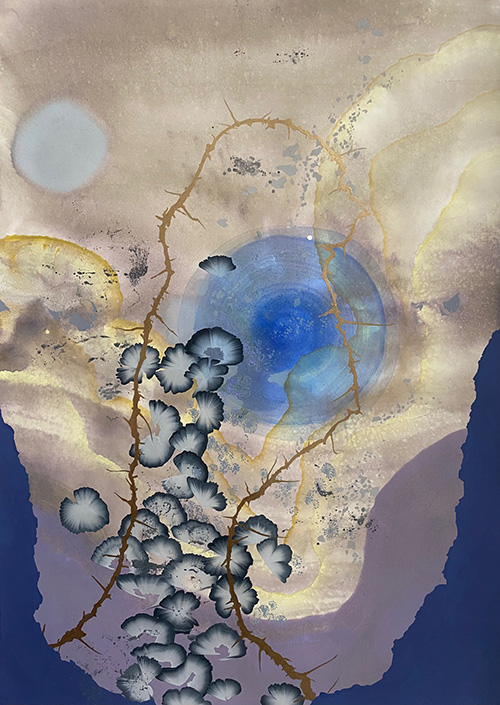
PANDEMIC SPRING NO. 2, 2022
Watercolor and gouache on rag paper
19.75 x 14 inches
$6,500
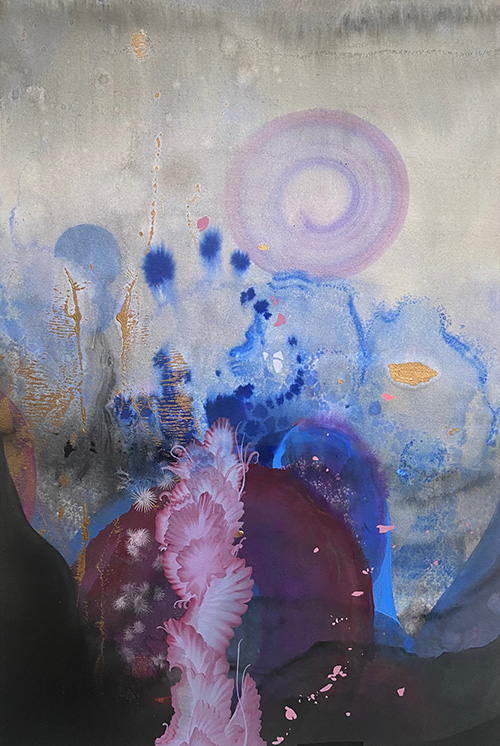
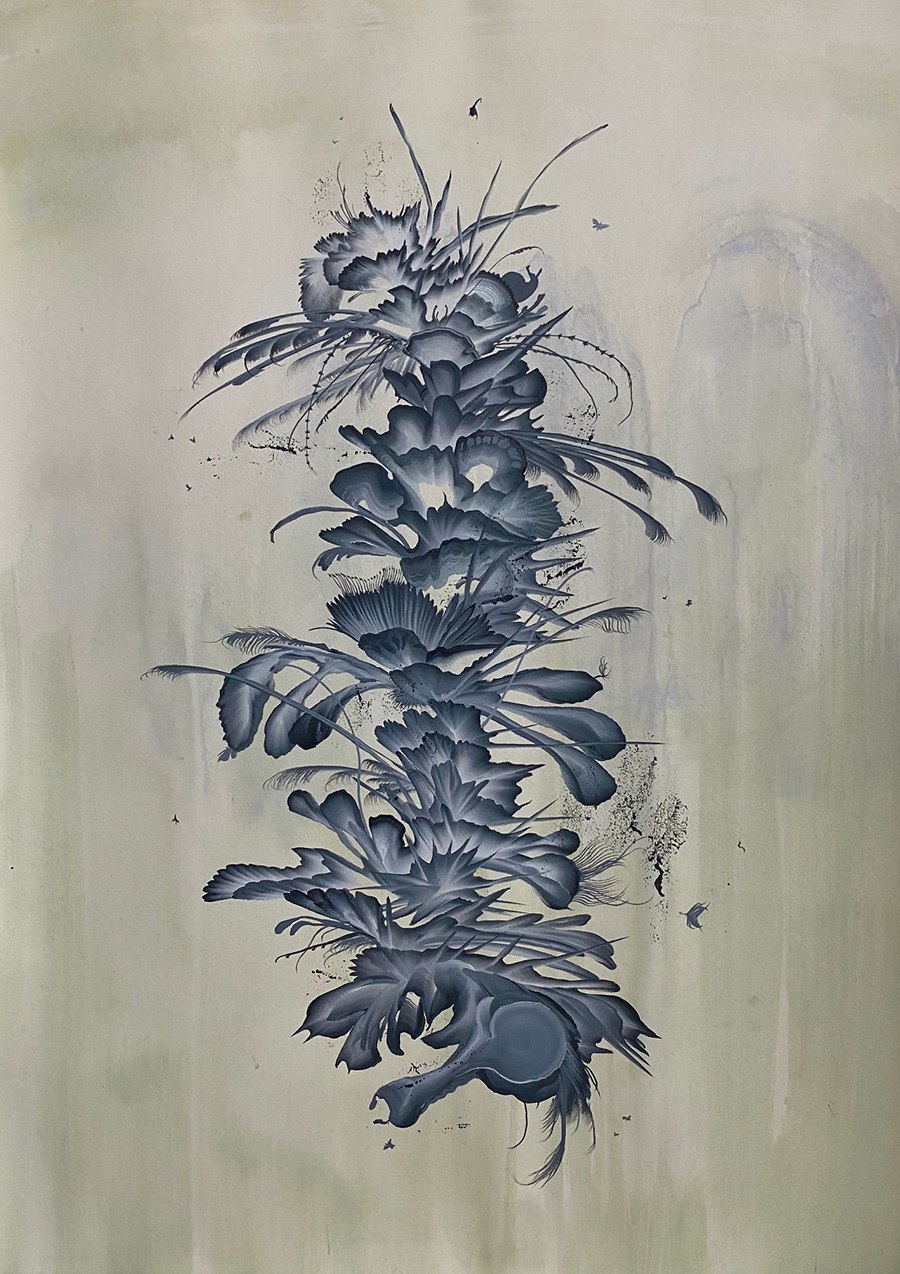
I DREAMT YOU, 2022
Gouache on rag paper
20 x 14 inches
$6,500
Also available
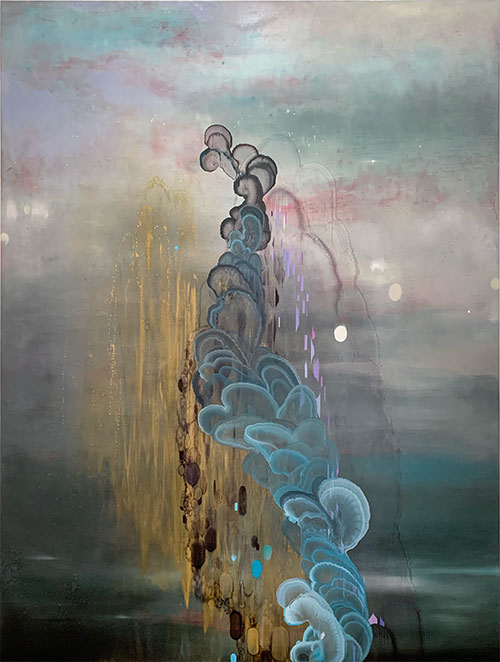
HYMN NO. 1, 2021
Oil on panel
48 x 36 inches
$25,000
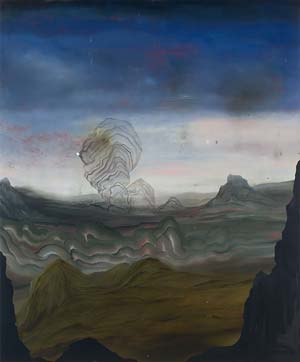
THE RIDGE, 2017
Oil on canvas
72 x 60 inches
$46,000
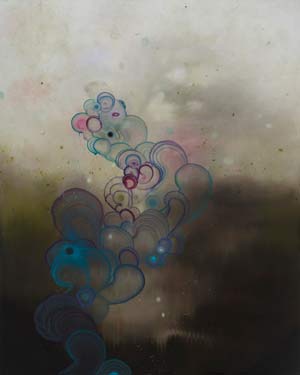
GREAT RIFT, 2016
Oil on wood panel
60 x 48 inches
$34,000
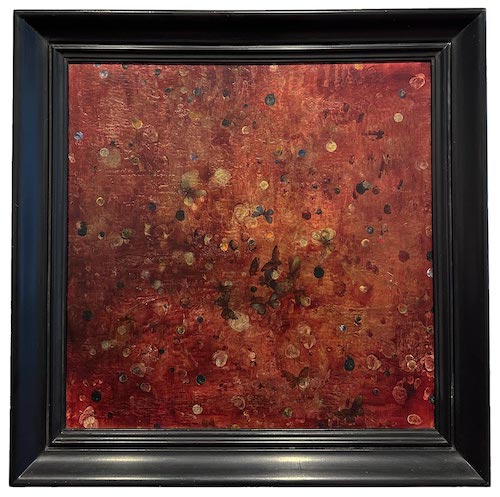
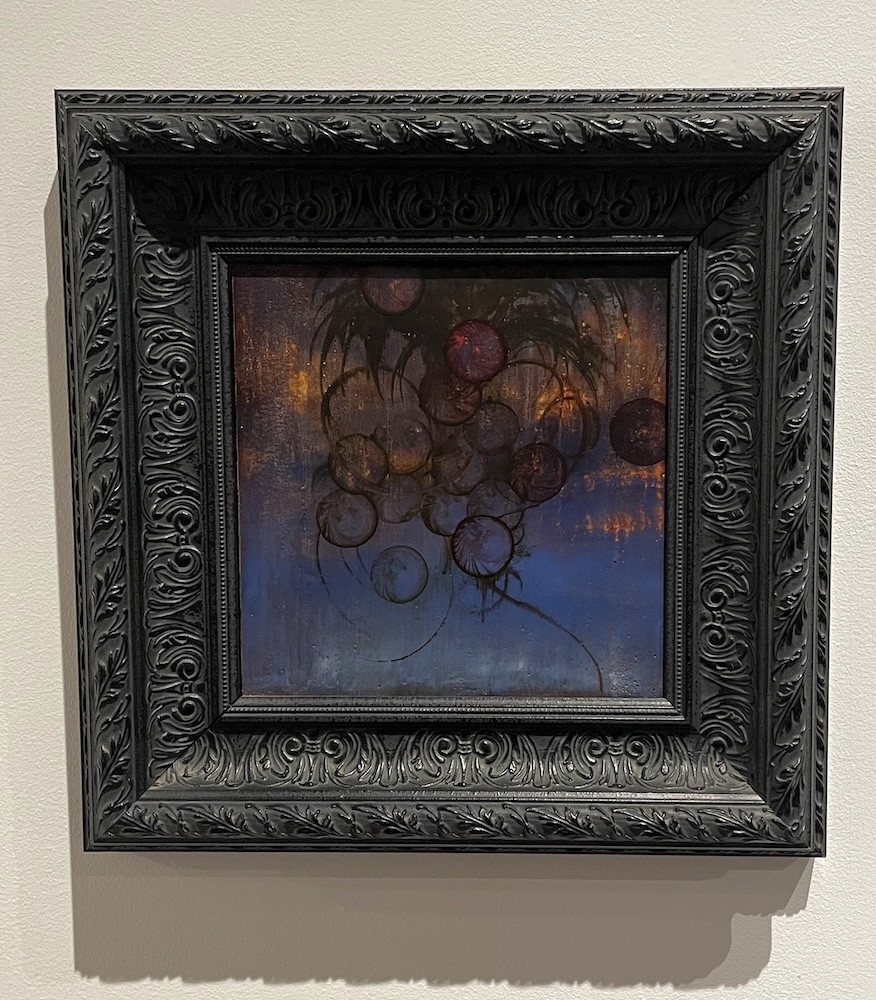
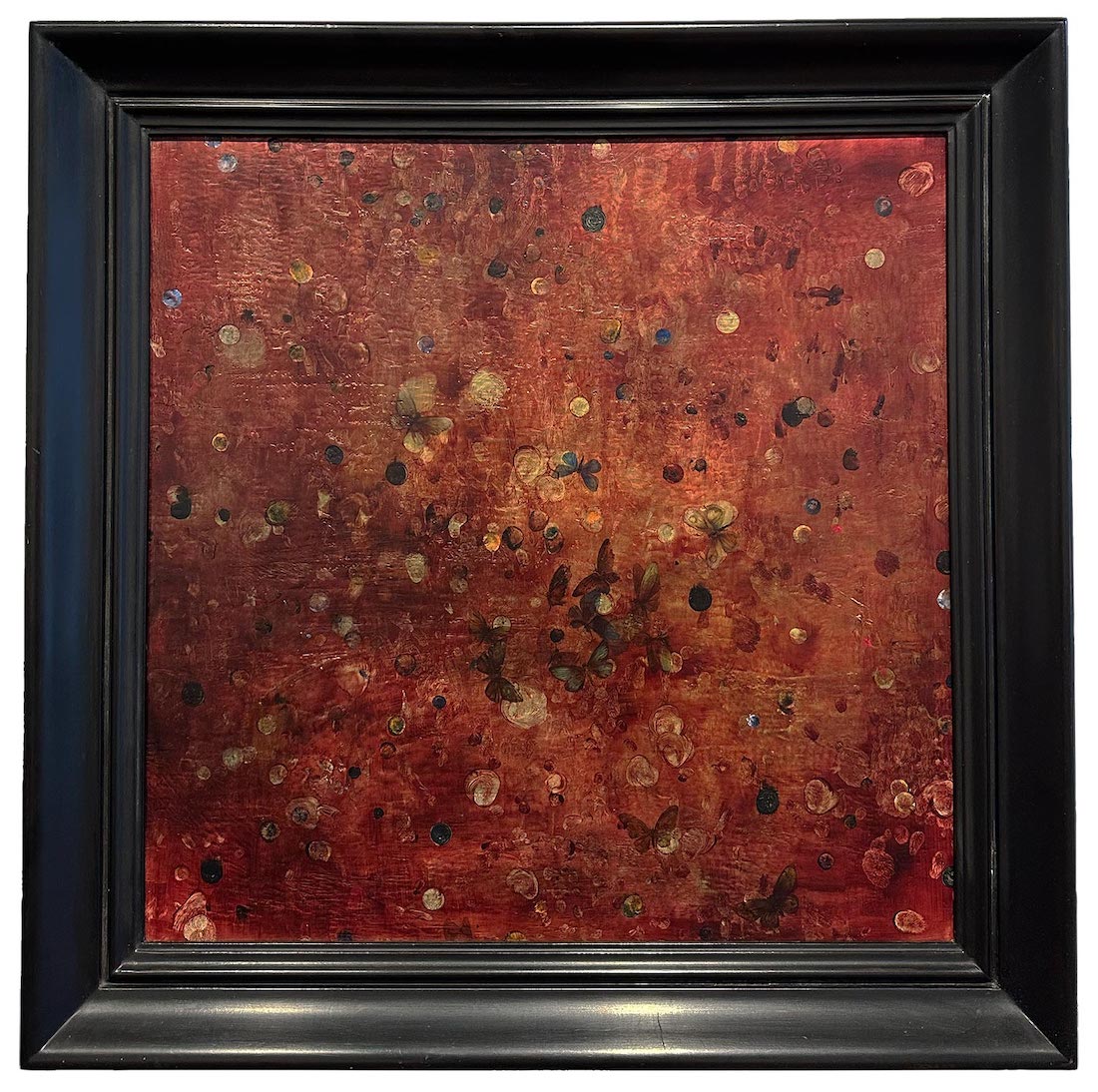
THE FLOURISH NO. 2, 1994
Oil on wood panel
30 x 30 inches
$20,000
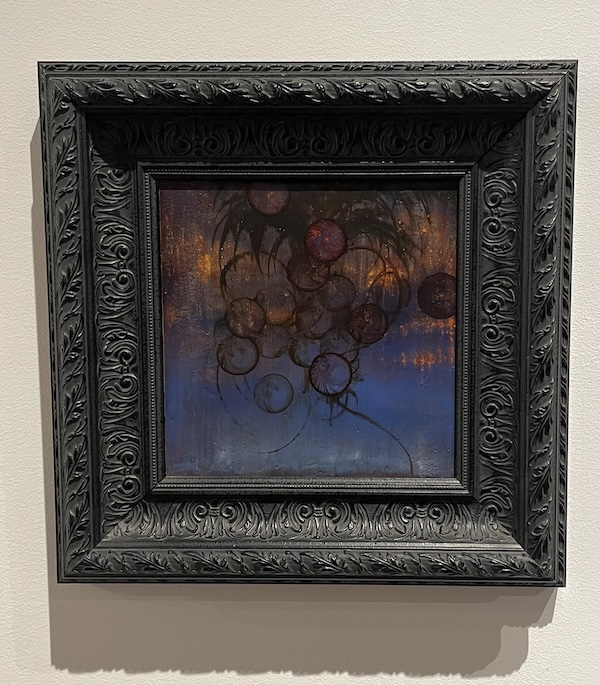
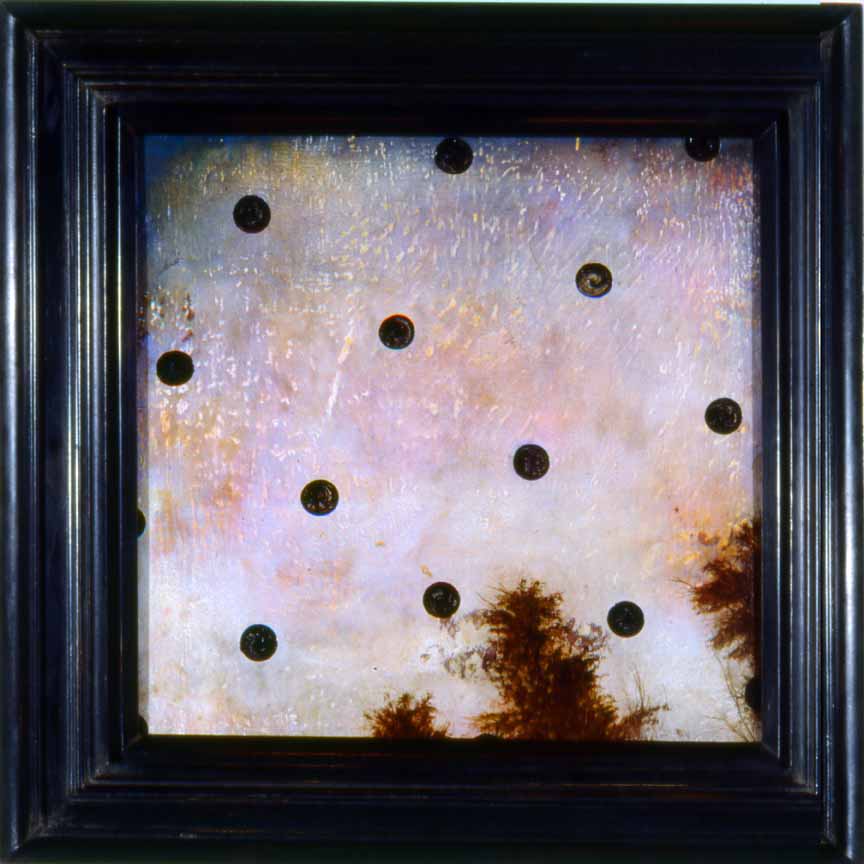
THE FLOURISH (BLUE), 1993
Oil on wood panel
8 x 8 inches
$6,500
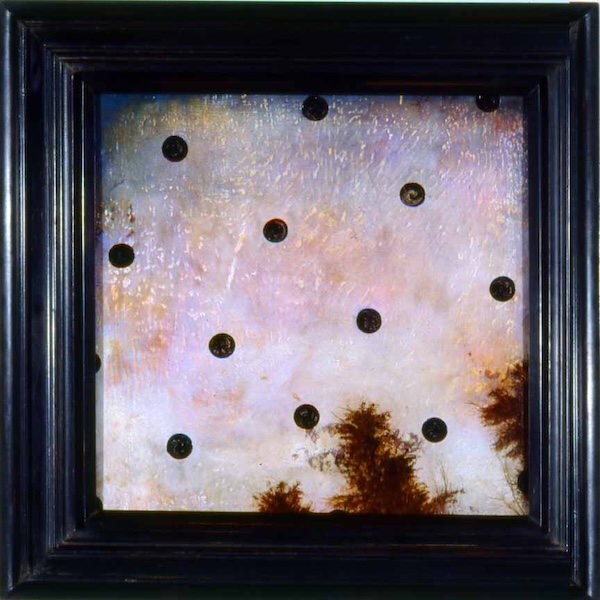
VERSE NO. 12, 1993
Oil on wood panel
12 x 12 inches
$10,000
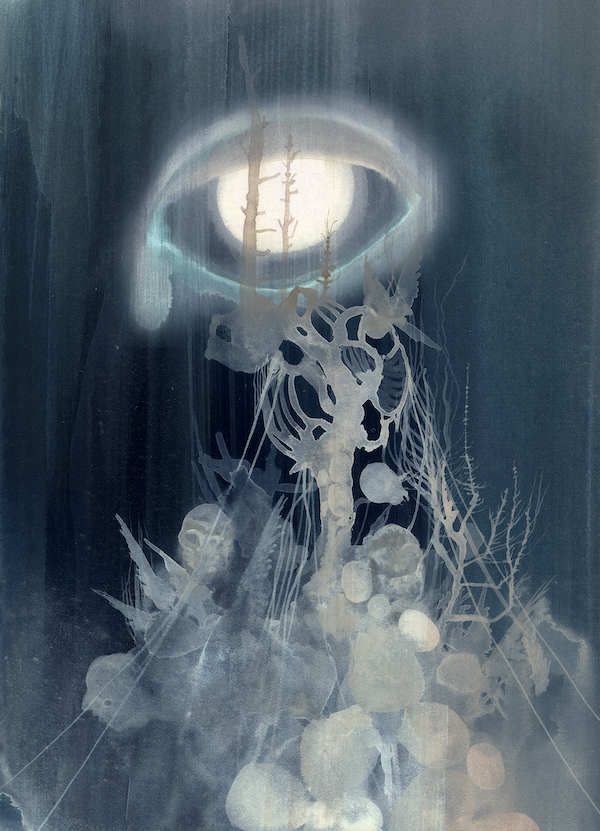
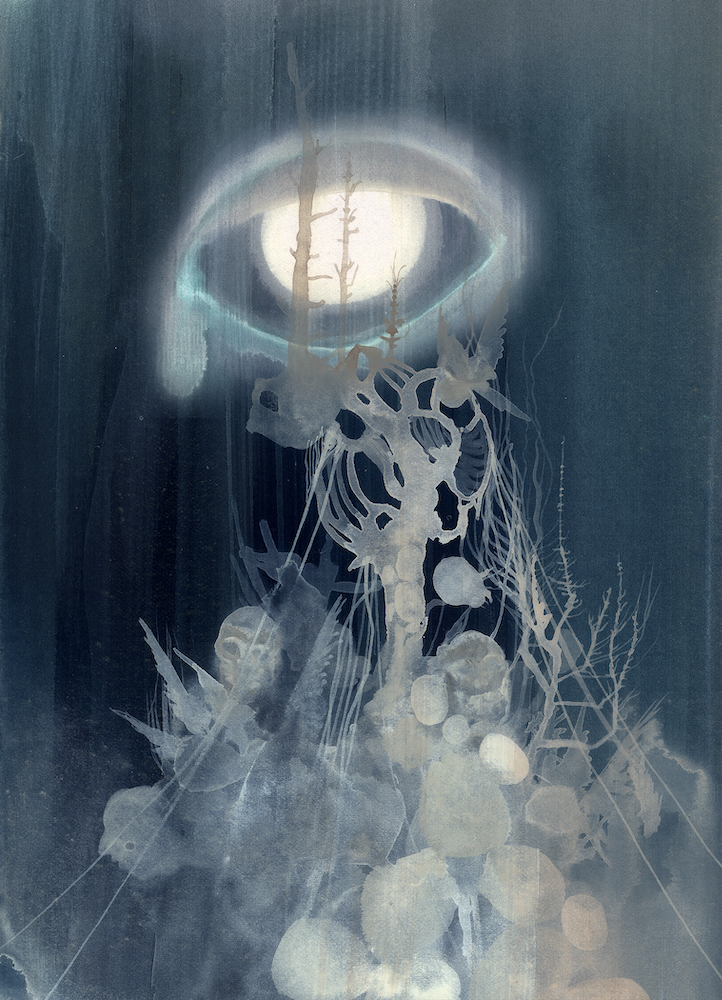
EYE AS MOON from THE FLOWERING (The Fourfold Sense), 2007
1 from a suite of 13 prints with artist's hand coloring
18 x 13 inches
Edition of 40
$1,400
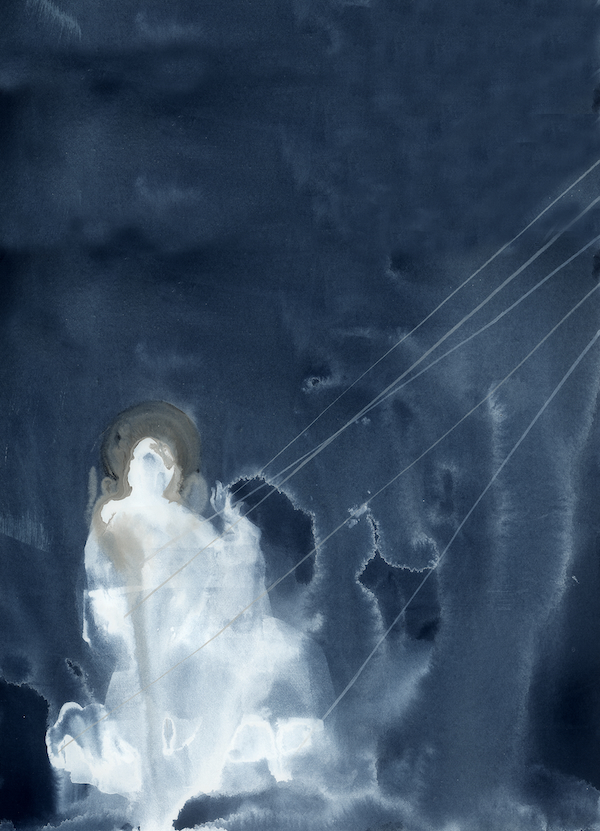
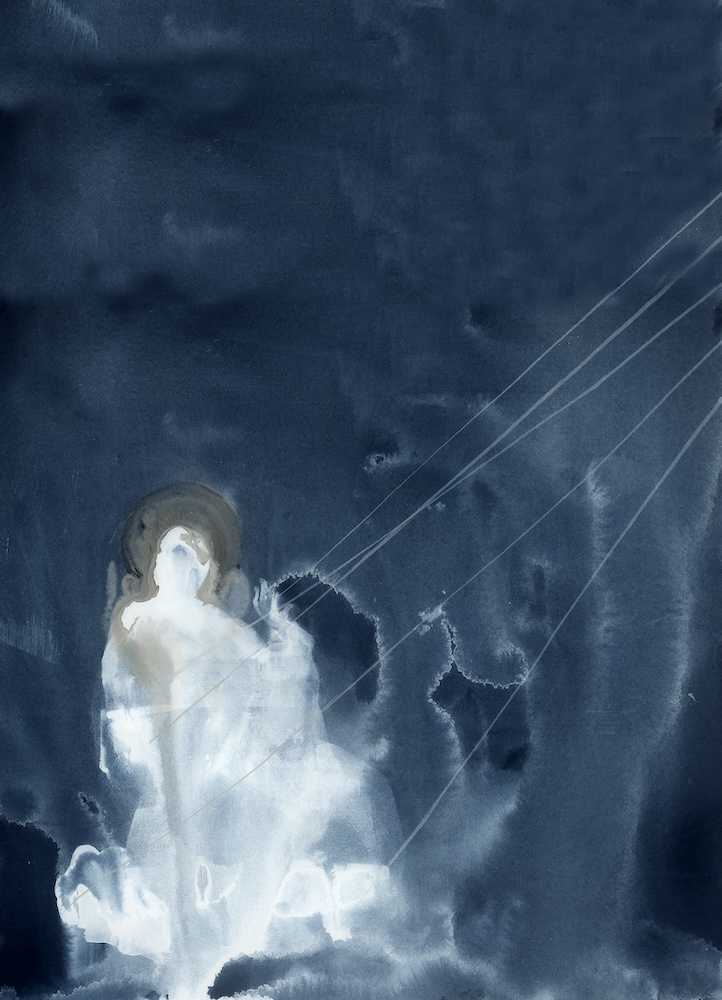
RECEIVING from THE FLOWERING (The Fourfold Sense), 2007
1 from a suite of 13 prints with artist's hand coloring
18 x 13 inches
Edition of 40
$1,400
Recent exhibition
Darren Waterston
Filthy Lucre: Whistler's Peacock Room re-imagined
Victoria & Albert Museum
January 25 - May 3, 2020
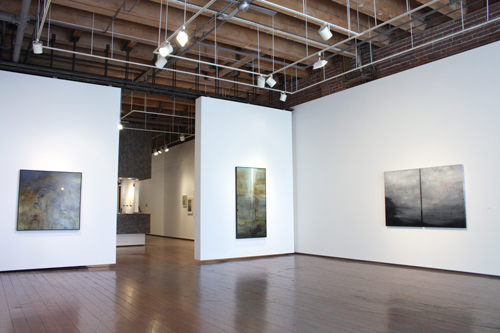
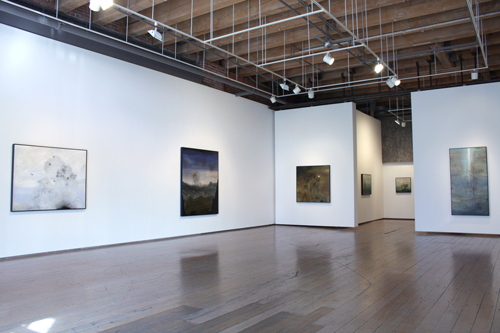 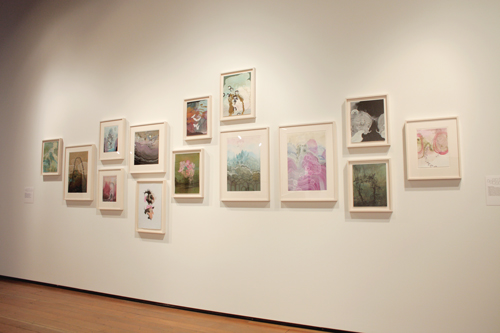
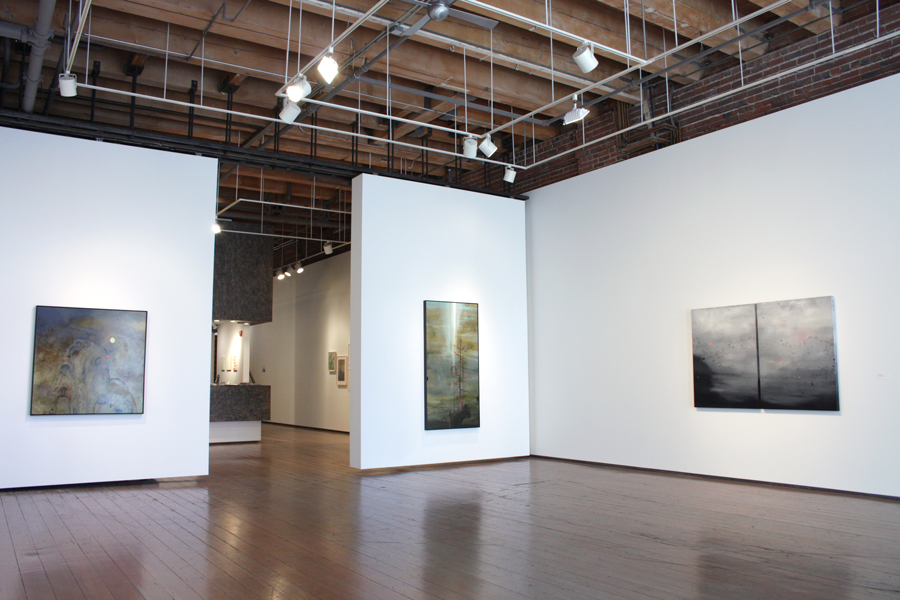
Darren Waterston installation views of Vistas, 2019
|