|
|
August 1 - September 6, 2018
Joseph Goldberg
The Earth is a Lamp: Memorial Survey
It is with great sadness that we announce that Joseph Goldberg (70), highly regarded and well loved Northwest painter, expert marksman, avid rockhound, poet, and lover of the arts, died December 8 at Sacred Heart Hospital in Spokane from injuries sustained after a car accident near his home in Harrington, WA.
Goldberg was born in Seattle, April 27, 1947 and grew up in Spokane. He attended the University of Washington from 1965-1967, and began showing his work at Francine Seders Gallery in 1970 until 1976. He later exhibited with Foster/White Gallery from 1979-1992, with Woodside/Braseth Gallery from 1995-2002, and finally at Greg Kucera Gallery, from 2005 until the present time. Goldberg was awarded the Betty Bowen Prize by the Seattle Art Museum in 1980. Seattle Art Museum also presented his work in a one-person Documents Northwest exhibition in 1982. The Museum of Northwest Art curated an expansive retrospective of Goldberg's paintings and sculpture in 2007. His work has also been exhibited in numerous exhibitions around the United States and abroad. Notably, his work has been collected by the Brooklyn Art Museum; Henry Art Gallery, University of Washington, Seattle; Long Beach Museum of Art, CA; Museum of Northwest Art, La Conner, WA; Portland Art Museum, OR; Seattle Art Museum; Tacoma Art Museum; and Wichita Art Museum among others. Goldberg's parents were Pauline Elizabeth Kerr and Peter Edwin Goldberg. He is survived by his brother Peter Goldberg from Spokane and his life-partner Susan Skilling in Seattle.
Remembrances may be directed to the University of Washington Press to support publications on painting and poetry. A memorial event will be announced later by friends and family.
Encaustic painting
_sm.jpg)
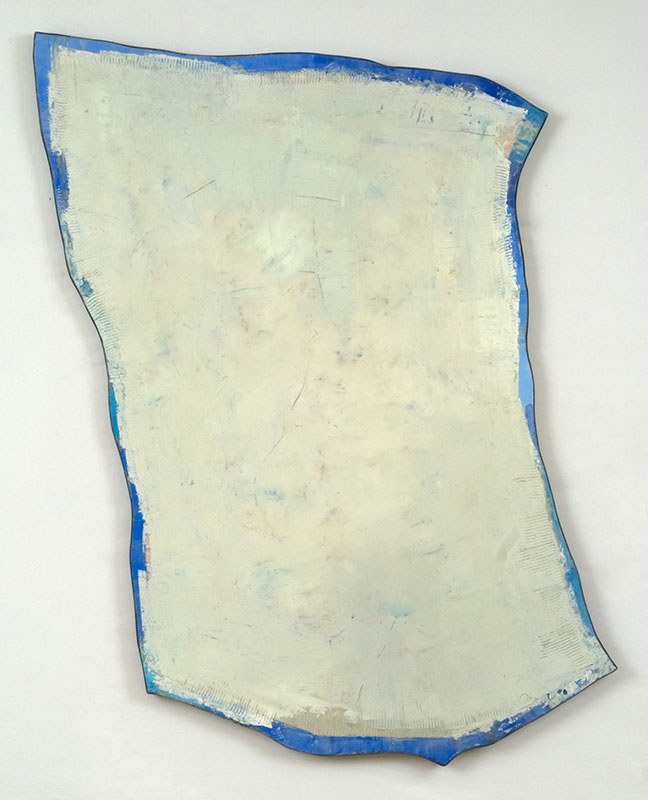
UNTITLED (stones), 2017
Encaustic on linen over wood panel
24 x 28 inches
$8,000
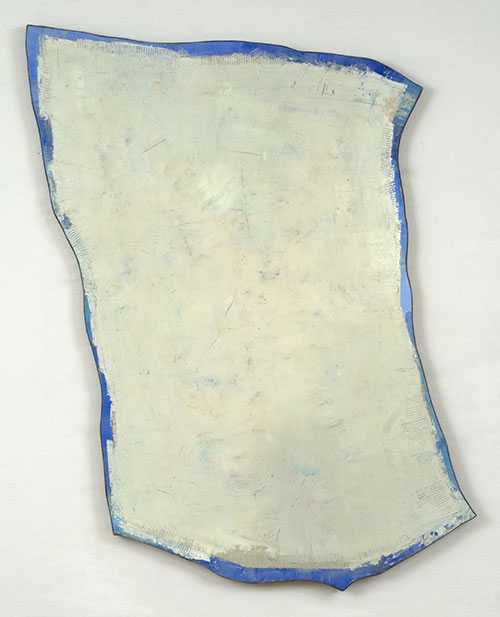
OPEN SKY, 2014
Encaustic on linen over wood panel
47.5 x 32 inches
$14,000
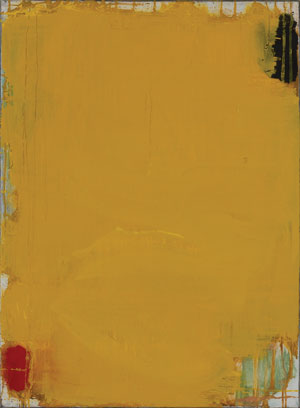
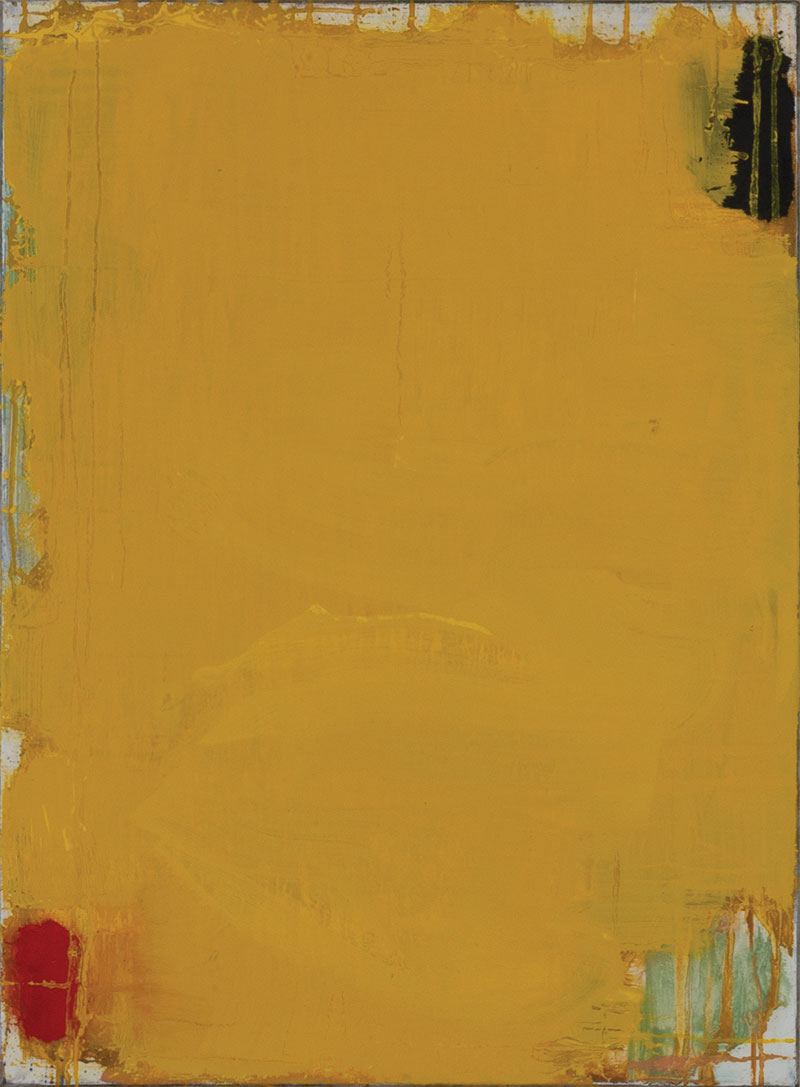
SUMMER, 2014
Encaustic on linen over wood panel
30 x 24 inches
$8,500
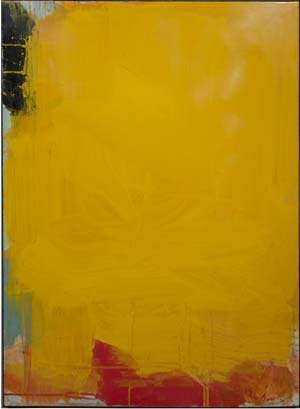
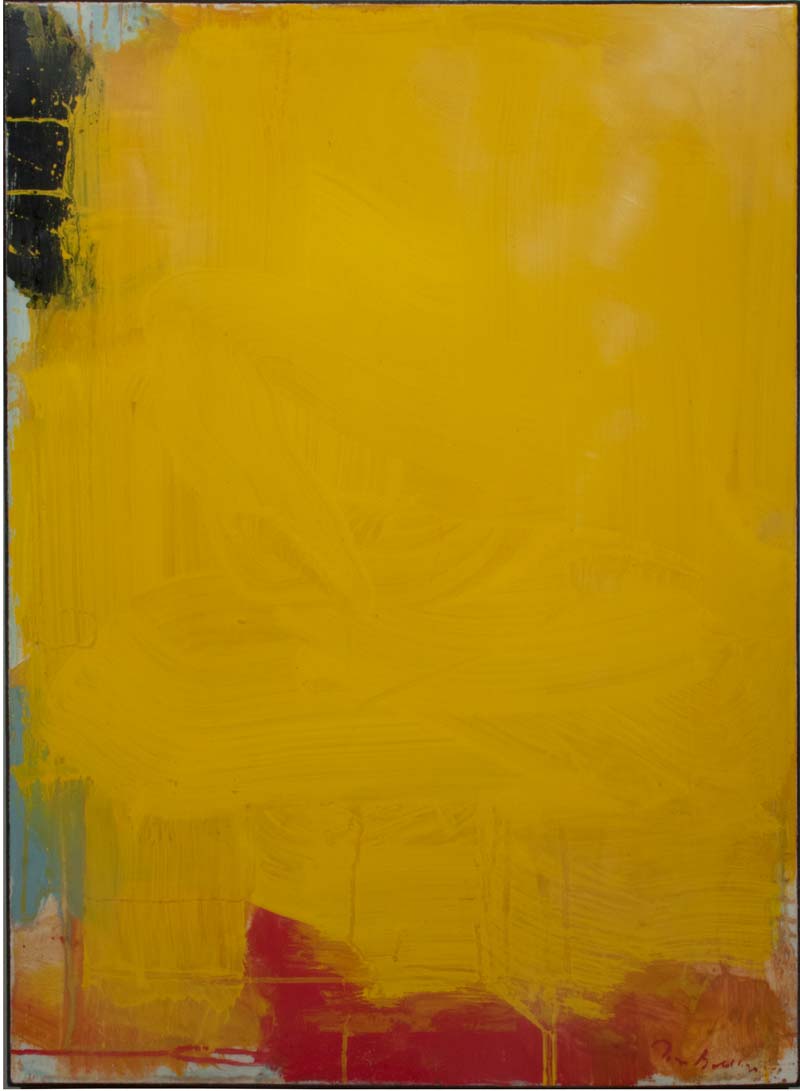
BRIGHT DAY, 2014
Encaustic on linen over wood panel
30 x 24 inches
$8,500
 Joseph Goldberg was born in 1947 in Seattle and raised near Spokane in Eastern Washington. He was educated at the University of Washington until he dropped out in 1968 at the encouragement of some of his teachers who knew that academic rigor wasn’t going to teach (or tame) this most natural of artists. Joseph Goldberg was born in 1947 in Seattle and raised near Spokane in Eastern Washington. He was educated at the University of Washington until he dropped out in 1968 at the encouragement of some of his teachers who knew that academic rigor wasn’t going to teach (or tame) this most natural of artists.
His first few exhibitions in the late 1960s, with Francine Seders Gallery in Seattle, revealed two separate inquiries into abstraction. At the time he was living as a caretaker in a studio that was part of the gallery and then later in the basement of Seders' Greenwood area gallery. He was producing small landscape drawings and paintings that were somewhat surrealistic in nature. At the same moment, he was beginning the course of abstraction that would define his early career. In these first delicate works on paper, small shapes of colors floated within larger planes of color, the central shape often echoing the shapes the larger fields. They were mindful of both the Russian Suprematist work of Kasimir Malevich and the work of post-war abstract artists such as Albers, Rothko, Martin and Held. This paring down of essentials had, by the 1970s, become a direction followed by various contemporary artists. While certainly not a Minimalist, Goldberg was pursuing something akin to it in sparseness of details but different in evoking the natural world. Read full description here
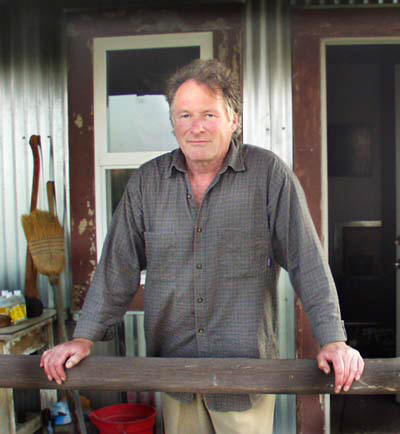
The artist in his Eastern Washington State studio
|

_web.jpg)